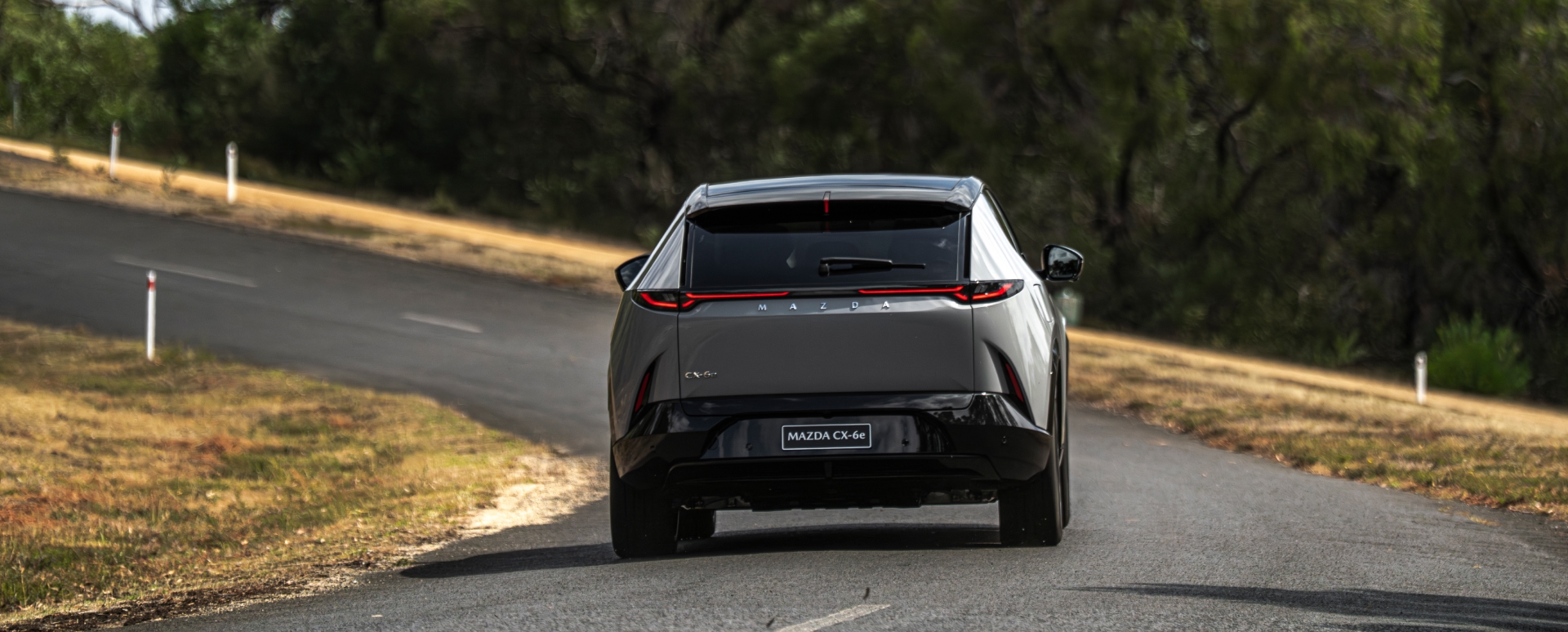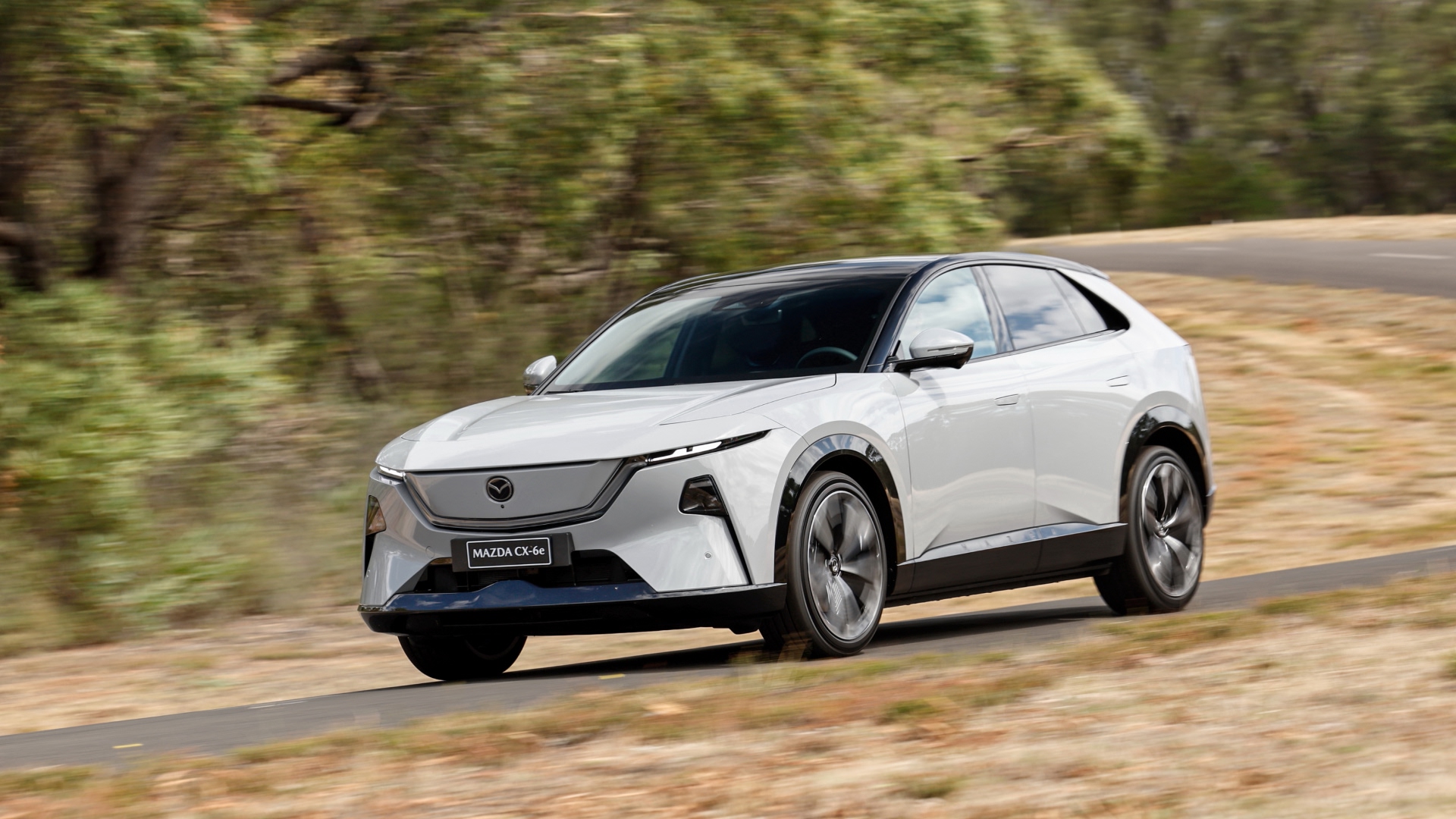
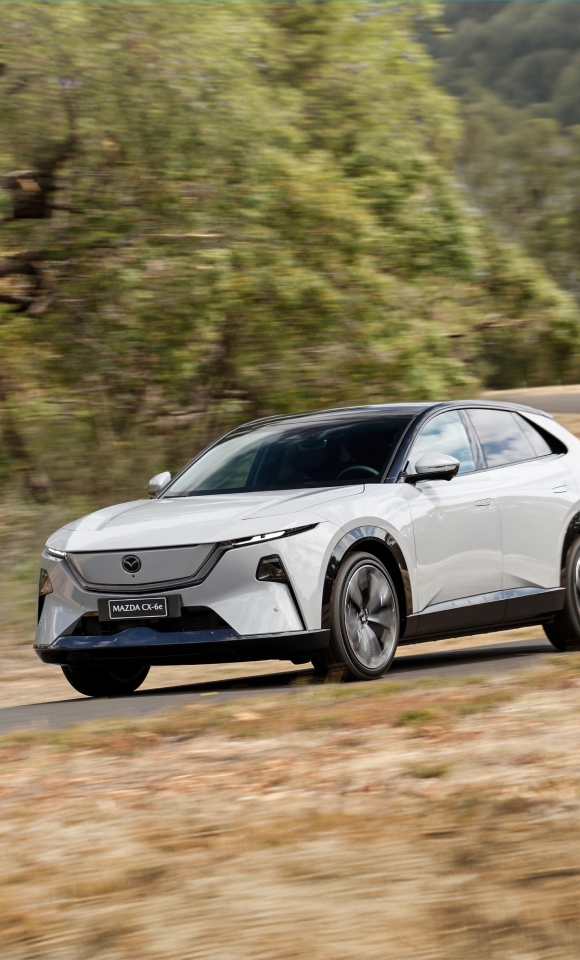
Mazda Australia announces provisional specifications for the All-New, All-Electric Mazda CX-6e
Mazda Australia today confirms provisional specification of the all-new, All-Electric Mazda CX-6e ahead of a late 2026 arrival onto Australian shores.
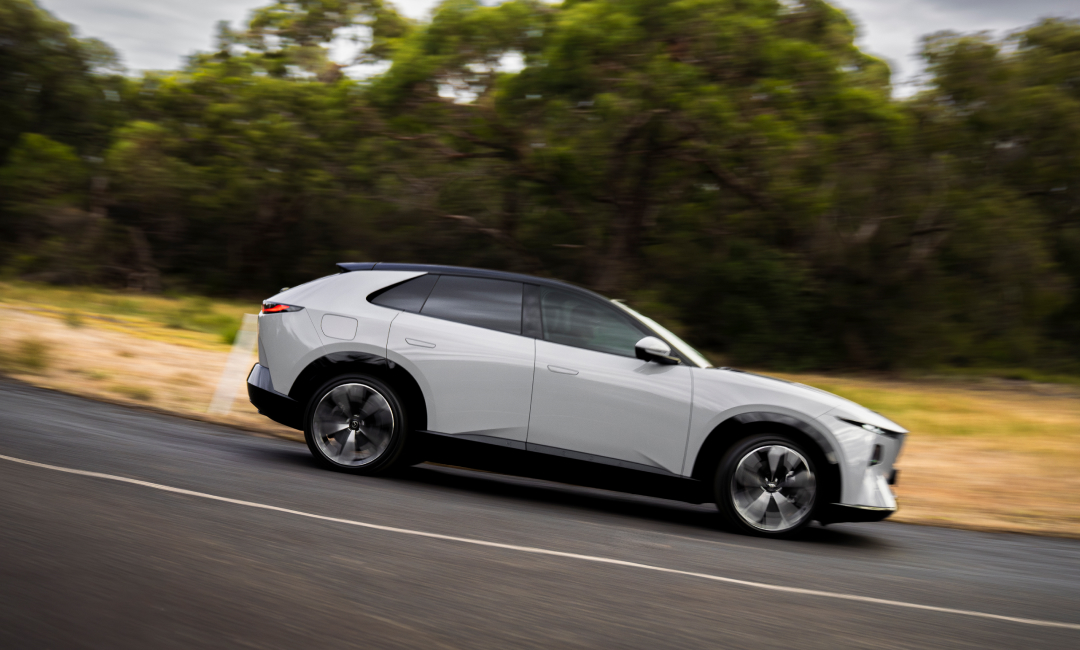
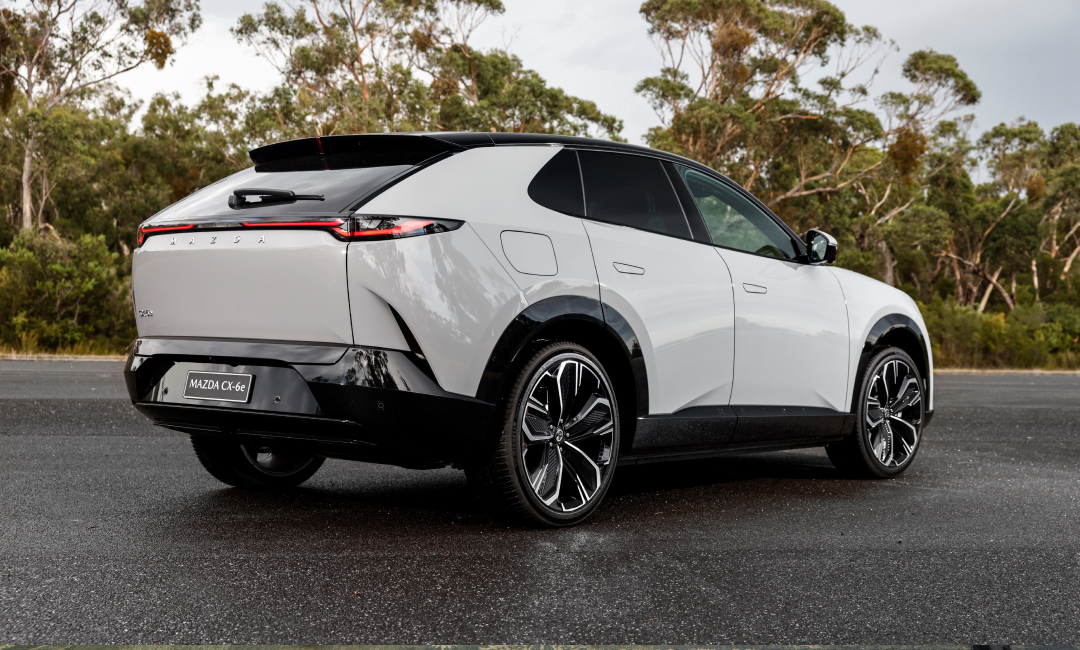
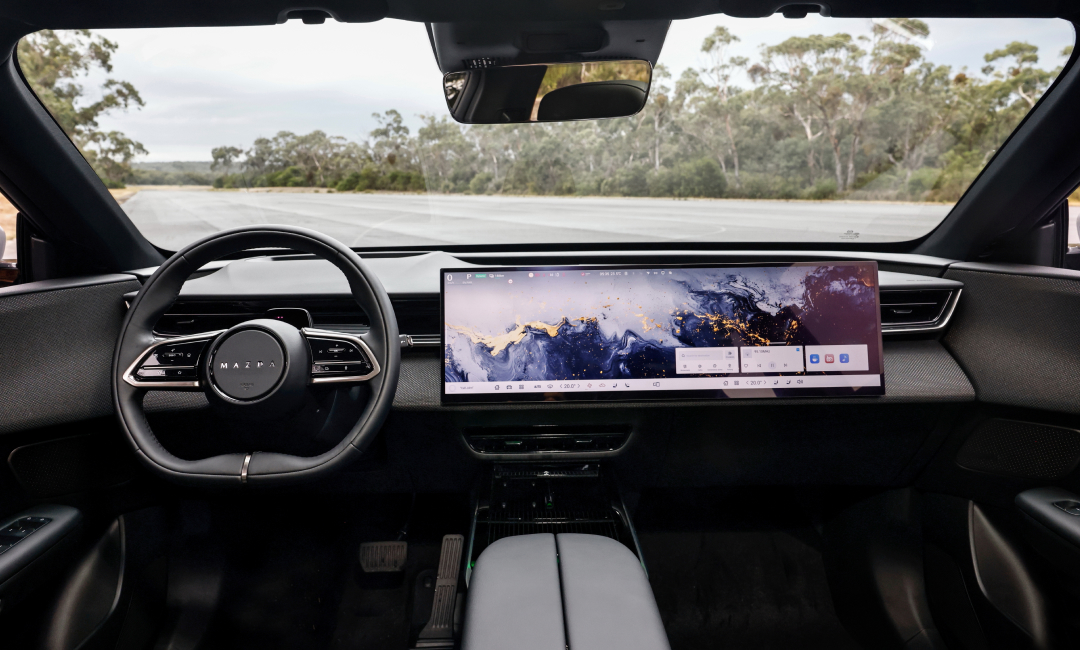
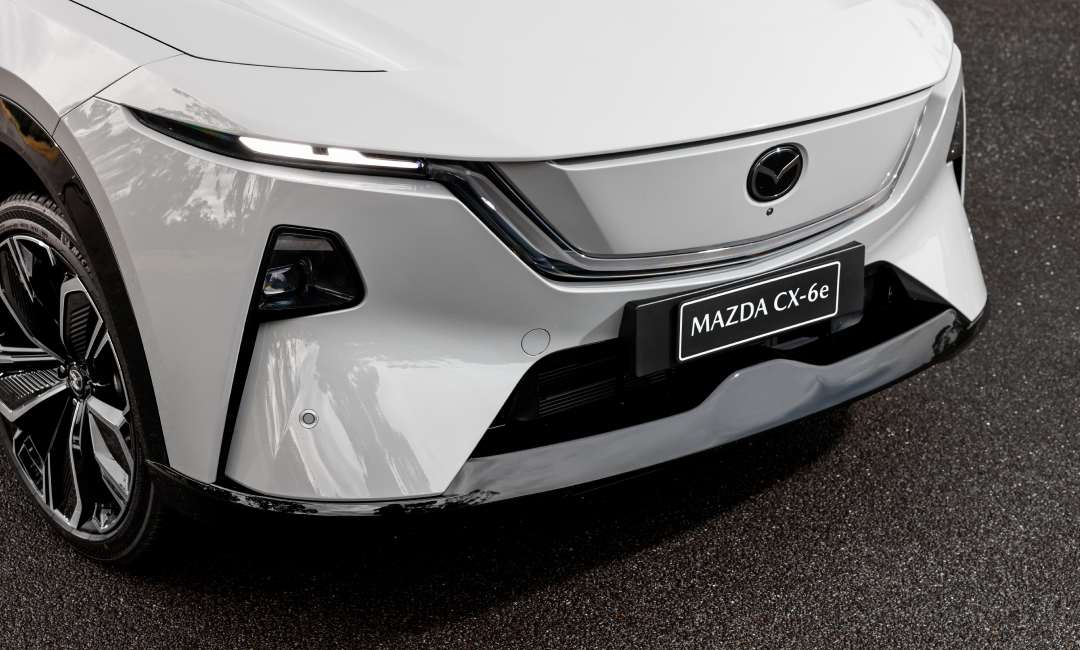
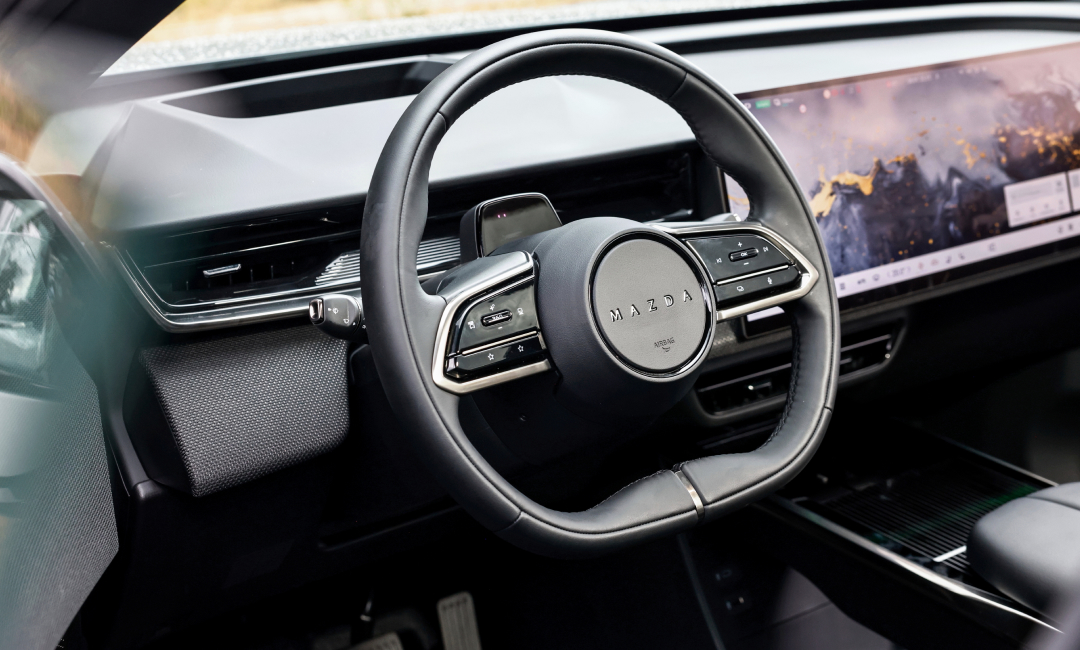
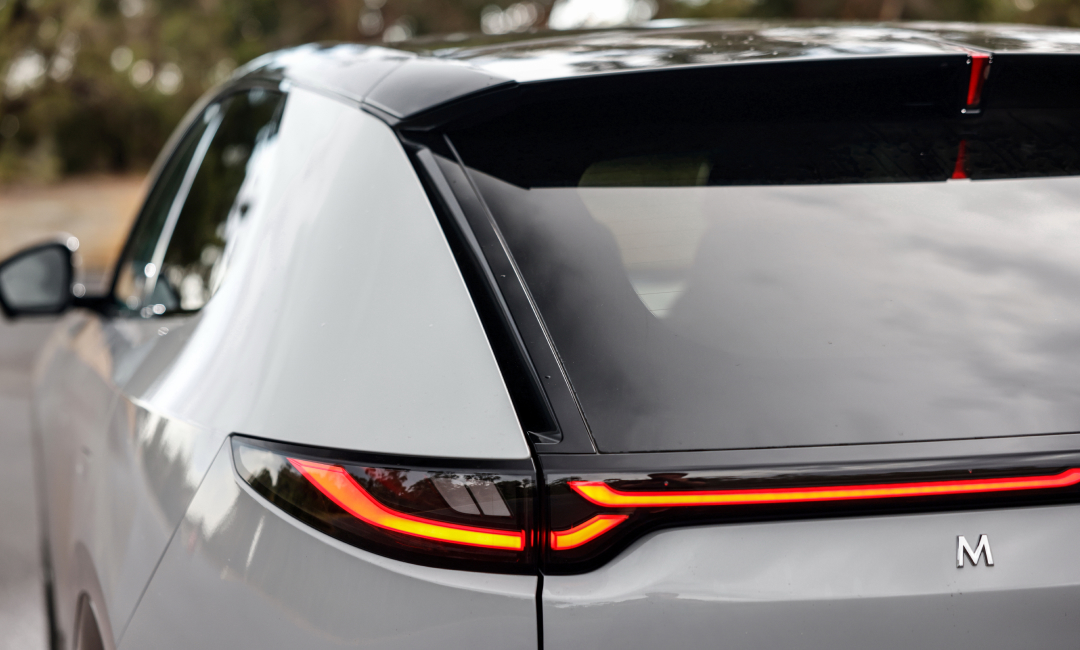
Hand-crafted by Takumi artisans using traditional clay modelling techniques, the Mazda CX-6e introduces the “FUTURE + SOUL x MODERN” Kodo-design concept – fusing the soulful craftsmanship of Kodo design with a modern, futuristic aesthetic – and delivers the acclaimed Jinba-Ittai driving dynamics.
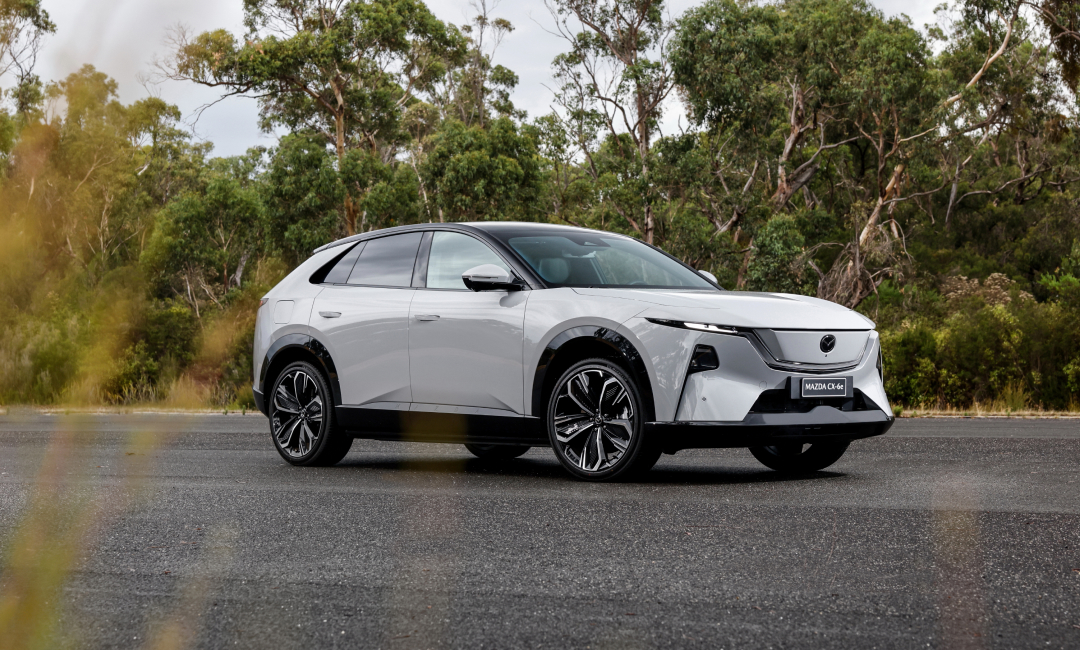
Commenting on the impact of the CX-6e’s launch locally, Mazda Australia’s Director of Sales and Marketing, Jarrod Gieschen said: “The Mazda CX-6e joining its sedan sibling, the Mazda 6e [winner of the 2026 World Car Design of the Year], in the Mazda Australia lineup is an imperative step to providing our customers with the power of choice. This multi-solution approach allows our customers to confidently enter EV ownership, knowing they’re backed by over 100 years of experience and more than 140 trusted dealerships nationwide – a statement that only few manufacturers in Australia can make.”
The Mazda CX-6e will be exclusively powered by a 78kWh lithium iron phosphate (LFP) battery, capable of charging from 30-80% in as little as 15 minutes, and has a WLTP range of more than 450 kilometres. A single 190kW electric motor mounted on the rear axle will deliver power to solely to the rear wheels.
More details, including full pricing and specifications, will be revealed closer to launch.
Discover 2026 Mazda CX-6e full specifications and pricing for Australia and see how the all-electric SUV is positioned.
+4+5
Mazda CX-6e provisional specifications (to be confirmed at a later date)
|
Powertrain |
Electric drive (BEV), 190kW |
|
Drivetrain |
Single rear axle motor with rear wheel drive |
|
Battery capacity |
78kWh Lithium Iron Phosphate (LFP) |
|
Charging capacity |
30-80% in as little as 15 mins1 |
|
Driving range |
More than 450km (WLTP)2 |
1. Charging time varies depending on charger capacity, battery and ambient temperature and other factors.
2. Efficiency and range figures are based on ADR 81/02 test results. They are useful in comparing the efficiency and range of different vehicles. They may not be the efficiency and range achieved in practice. This will depend on traffic and road conditions and how the vehicle is driven.