Mazda M Hybrid Boost Explained
Everyone can do with a helping hand sometimes and that’s the idea behind Mazda’s M Hybrid Boost mild-hybrid technology.
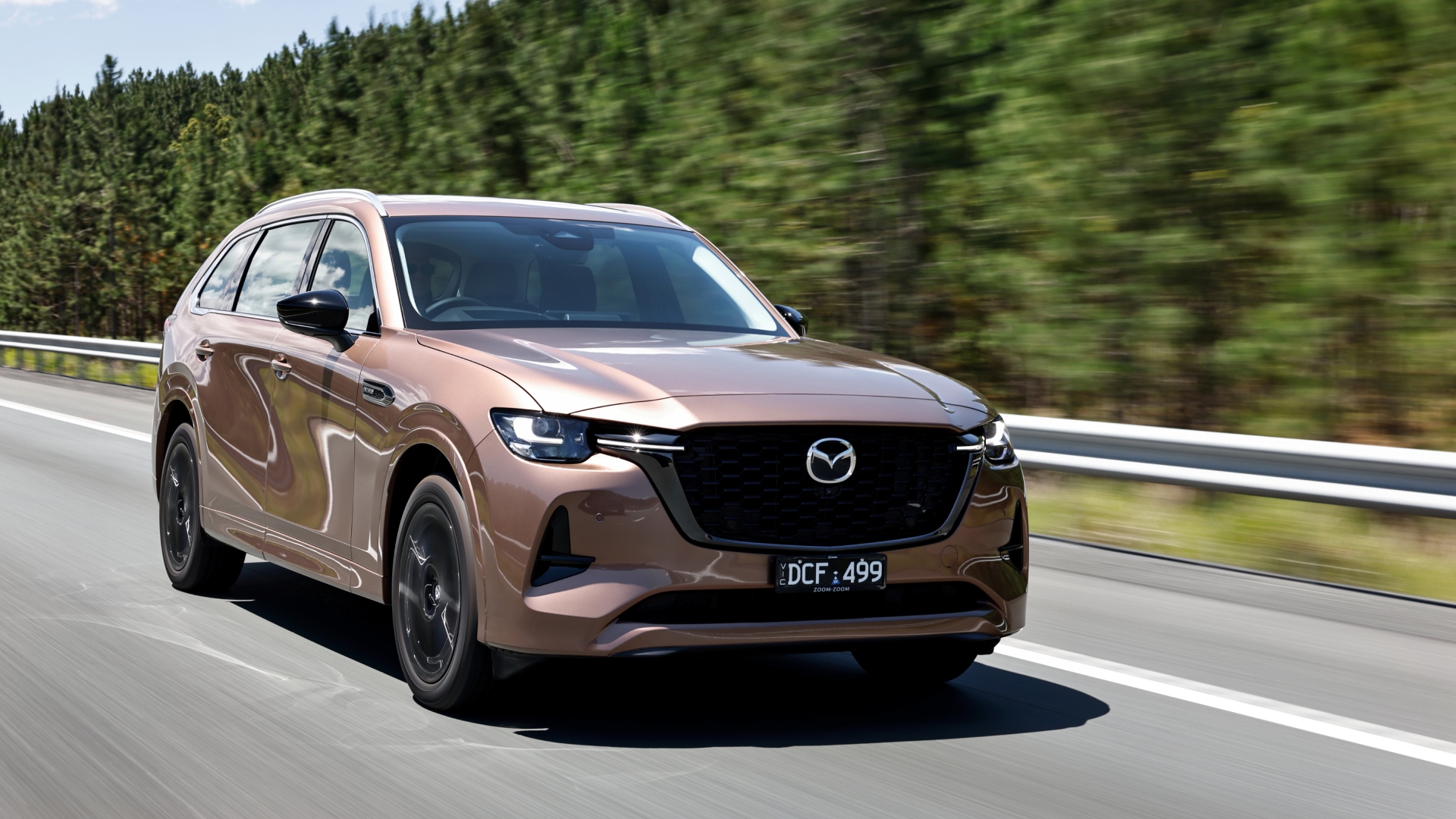
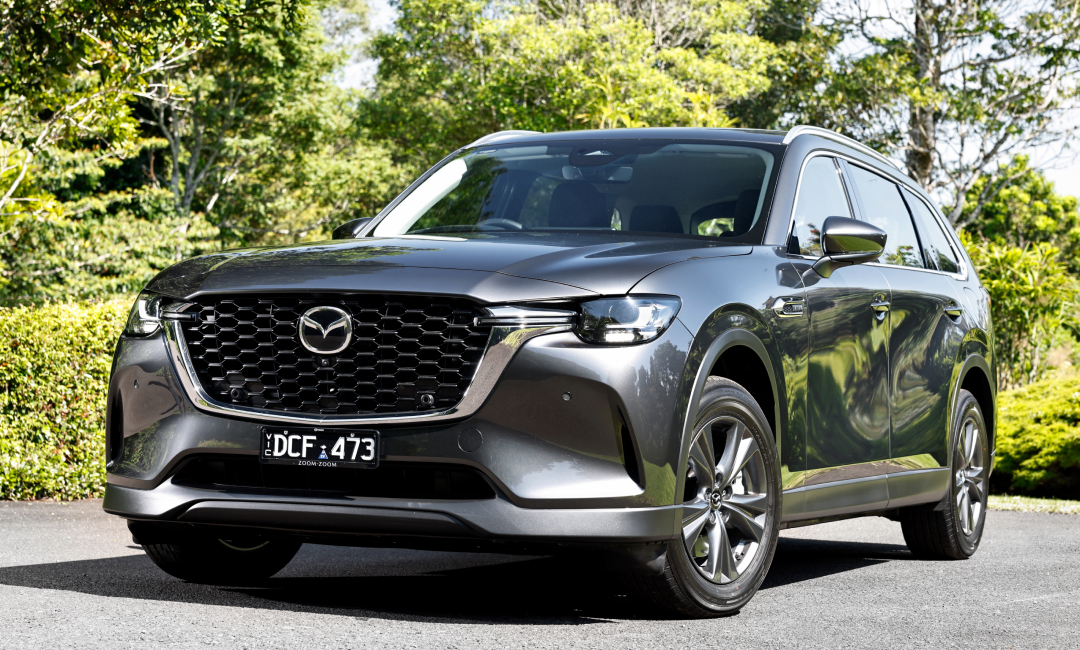
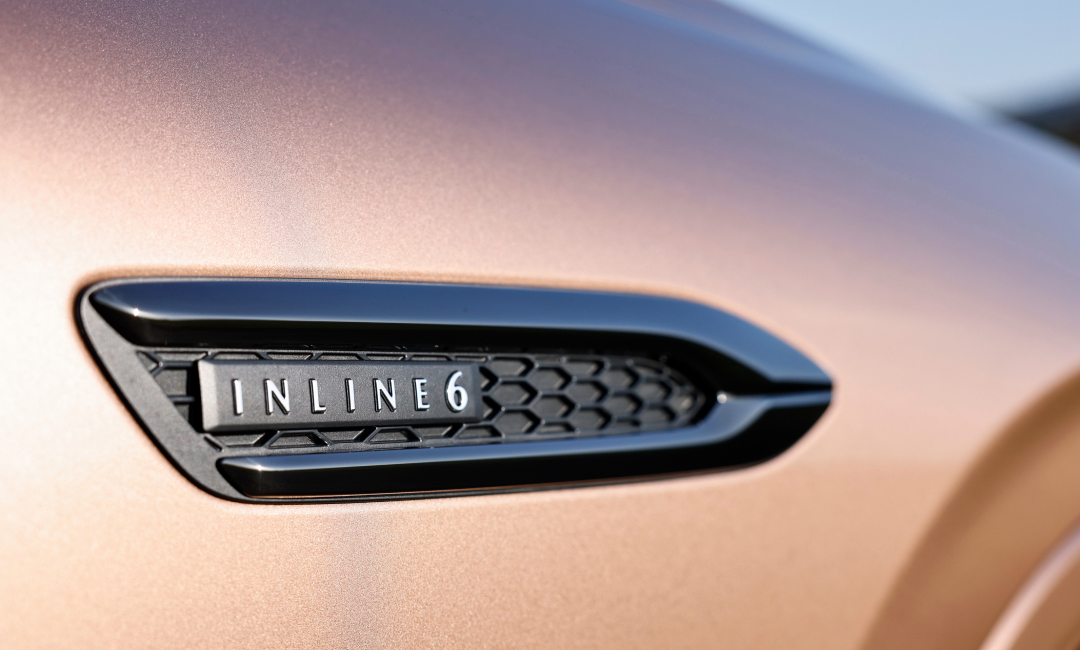
Mazda’s latest inline-six-cylinder engines have ample power and performance and are more than capable of motivating its latest range of medium and large SUVs.
In the CX-60 and CX-80, the 3.3-litre G40e turbo petrol produces 209kW and 450Nm, while the same capacity D50e turbodiesel generates 187kW and 550Nm. Meanwhile, the 3.3-litre turbo G50e petrol in the CX-70 and CX-90 is Mazda’s most powerful ever road car engine, developing 254kW and 500Nm.
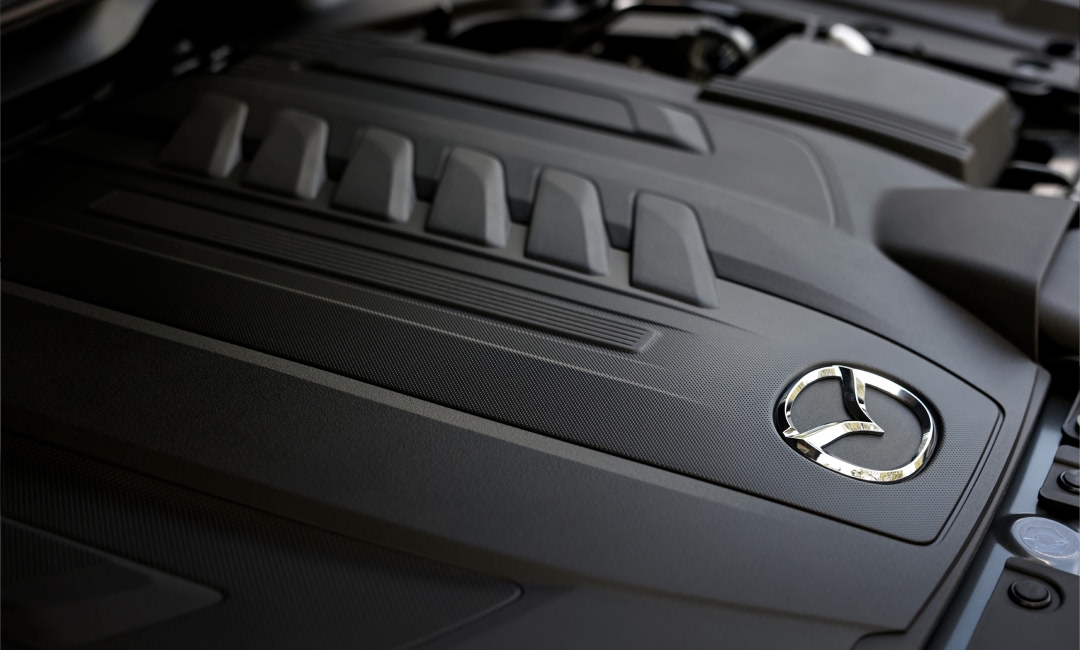
Some may assume that using these large, powerful engines will result in high fuel consumption, but their larger size actually makes them more efficient, the greater volume of air ensuring a higher percentage of the fuel is burned with less wastage.
The result is a claimed combined fuel consumption figure of just 7.4L/100km for the CX-60 G40e, matching the smaller and less powerful CX-5 G25, while even the seven-seat CX-90 claims just 8.2L/100km, undercutting the CX-5 G35 2.5-litre turbo petrol.
The diesels are even more frugal, sipping just 5.0L/100km (combined claim) in the CX-60 to 5.4L/100km (combined claim) in the larger CX-70 and CX-90*.
For all their inherent engineering excellence, however, M Hybrid Boost plays a key role in improving the engines’ performance, drivability and efficiency. As the name suggests, the level of electrical assistance from the 48V mild-hybrid system is, well, mild.
As an example, the CX-60 P50e plug-in hybrid uses a 17.8kWh battery, whereas the mild-hybrid system’s battery is just 0.33kWh.
While it can only store small amounts of energy at one time and thus can’t be used for electric-only driving, it uses what it has to good effect, feeding an electric motor fitted between the engine and the eight-speed automatic gearbox.
While combustion engines take a moment to get up to speed, electric motors do their best work from a standstill, so the two go together like a cold drink on a hot day.
To provide a practical example, if you’re sitting at the lights and they go green, the M Hybrid system fires the engine into life in as little as 0.4 seconds and the electric motor then helps get the car moving, easing the load on the engine and reducing fuel consumption.
Once up to speed, the engine can switch off allowing the car to ‘coast’ along until acceleration is needed again and when the brakes are applied, the energy generated is captured and fed back into the battery ready to be deployed again. If the battery is full, the excess energy is used to power the car’s electrical systems.

It’s not often you get something for nothing, but by capturing energy that would otherwise be wasted and using it where and when it will be most effective, it really is a win-win situation.
Best of all, M Hybrid Boost demands nothing from the driver: no change in habits, no extra servicing, no added costs, it all just happens seamlessly in the background.
If you think of driving your Mazda as the main theatre show, the 48V mild-hybrid system is like all the plain clothes people backstage, scurrying around out of sight offering a helping hand to make everyone’s life that little bit easier.
*Fuel consumption and CO2 figures are based on ADR 81/02 test results. They are useful in comparing the fuel consumption and emissions of different vehicles. They may not be achieved in practice. This will depend on traffic and road conditions and how the vehicle is driven.