Electrification Explainer: What Is a Battery Electric Vehicle (BEV)?
Mazda Tech Drive: The Electrification Explainer - BEV
Mazda’s Battery Electric Vehicle (BEV) technology, and how it works.
EVs and EV chargers are a common sight on the road today, but not everyone understands what they are and how they work.
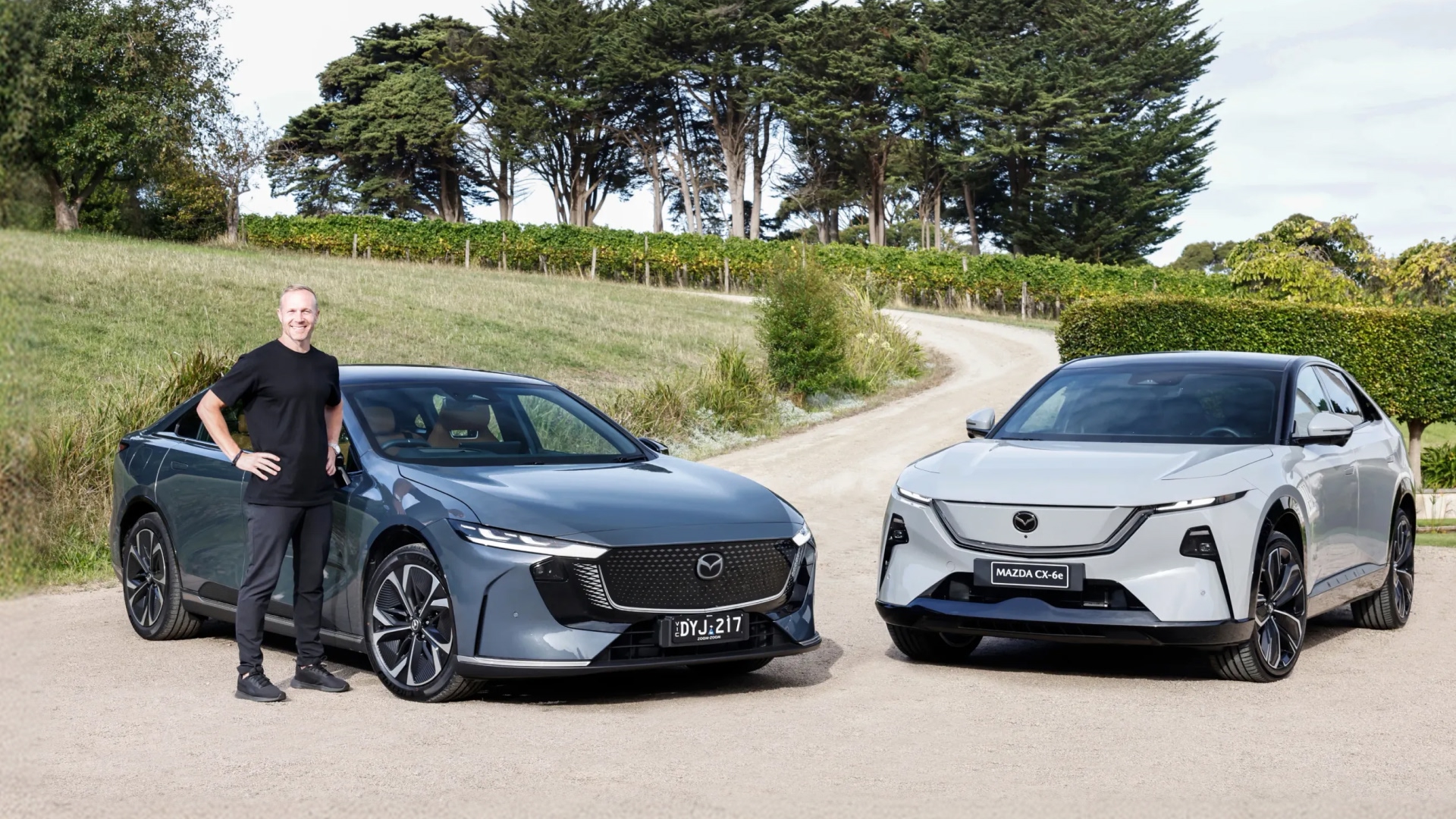
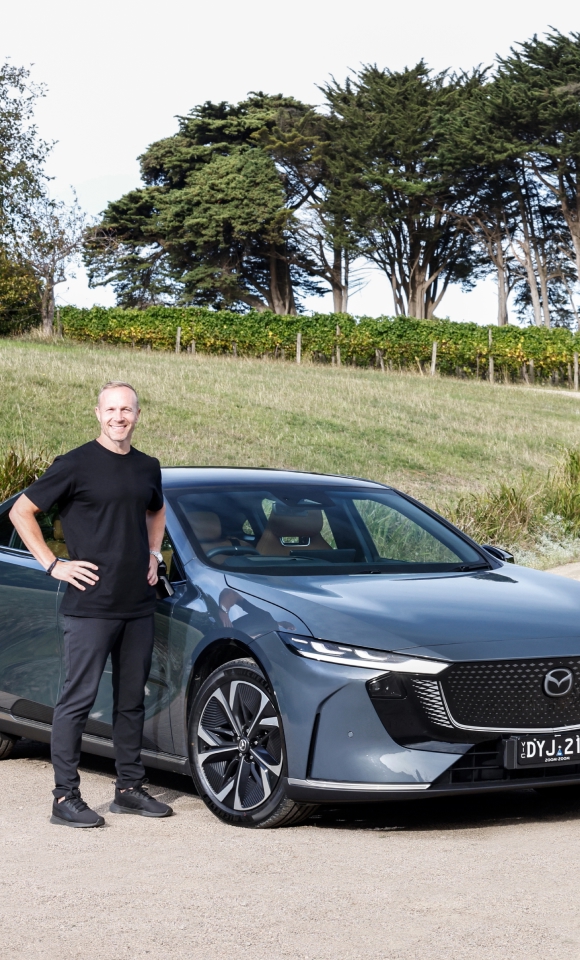
In this quick video, Karl Reinder takes to the road in the first-ever, all-electric Mazda 6e and points out the differences between EVs, hybrids and traditional petrol/ diesel-powered vehicles.
Karl Reindler: You've probably heard terms like EV, MHEV and PHEV and wondered what they actually mean.
The good news is that vehicle electrification is simpler than it might seem.
In this Mazda Tech Drive series, we'll break down the different types of electrified vehicles using practical examples from Mazda's range, helping you understand how each technology works, what it feels like to drive, and which option may best suit your lifestyle.
What Is a Battery Electric Vehicle (BEV)?
Let's take a look at the final step in vehicle electrification: the Battery Electric Vehicle (BEV), commonly known as an Electric Vehicle (EV).
Using the all-electric Mazda6e as an example, a BEV is powered entirely by electricity. There is no petrol engine and no fuel tank. Instead, the vehicle uses a battery pack to store energy and an electric motor to drive the wheels.
This creates a driving experience that feels noticeably different from a traditional petrol vehicle.
What's It Like to Drive an Electric Vehicle?
Electric vehicles deliver smooth and immediate acceleration, with power available instantly when you press the accelerator. They also offer near-silent operation, helping create a refined and relaxing driving experience.
Zero Tailpipe Emissions
Because a BEV relies solely on electricity for propulsion, it produces no tailpipe emissions while driving.
Charging an Electric Vehicle
For many drivers, an electric vehicle can provide a simple, responsive and enjoyable way to travel, particularly when combined with the convenience of home or public charging.
The Mazda6e represents Mazda's vision for all-electric mobility, combining advanced technology, refined design and an engaging driving experience.
If you'd like to learn more about the all-electric Mazda6e, stay tuned for an upcoming Mazda Tech Drive series where we'll share practical tips, key features and useful information to help you get the most from your electric vehicle.
Frequently Asked Questions
A battery electric vehicle is powered entirely by electricity — there's no petrol engine and no fuel tank. Instead, a battery pack stores energy and an electric motor drives the wheels. The all-electric Mazda 6e is used as the example in this episode.
Noticeably different from a petrol car. A BEV delivers smooth, immediate acceleration, with power available instantly when you press the accelerator, plus near-silent operation — creating a refined and relaxing driving experience.
Because a BEV relies solely on electricity for propulsion, it produces no tailpipe emissions while driving. Combined with the convenience of home or public charging, that makes an electric vehicle a simple, responsive and enjoyable way to travel for many drivers.
An electric vehicle is recharged using home or public charging, so you top up the battery rather than filling up with fuel. For a step-by-step look at charging the all-electric Mazda 6e — including battery and range — see our dedicated Mazda 6e Charging Tech Drive.
A BEV is fully electric with no petrol engine. A PHEV pairs a petrol engine with a larger, plug-in battery for electric-only driving on shorter trips. An MHEV is petrol-led with a small electric motor that can't be plugged in. See our "Which is right for you?" explainer to compare.