Electrification Explainer: What Is a Plug-in Hybrid (PHEV)?
Mazda Tech Drive: The Electrification Explainer - PHEV
Mazda’s Plug-in Hybrid Electric Vehicle (PHEV) technology, and how it works.
The term ‘hybrid’ is commonly used with cars today.
You probably know it’s synonymous with lower exhaust emissions and has something to do with ‘electrification’, but what does the ‘plug-in’ part refer to? And what do I plug in? And where?
Karl Reinder takes to the road in the Mazda CX-80 to answer everything in this quick video.
Karl Reindler: You've probably heard terms like EV, MHEV and PHEV and wondered what they actually mean.
The good news is that vehicle electrification is simpler than it might seem.
In this Mazda Tech Drive series, we'll break down the different types of electrified vehicles using practical examples from Mazda's range, helping you understand how each technology works, what it feels like to drive, and which option may best suit your lifestyle.
What Is a Plug-in Hybrid (PHEV)?
Let's take a closer look at the Plug-in Hybrid Electric Vehicle (PHEV).
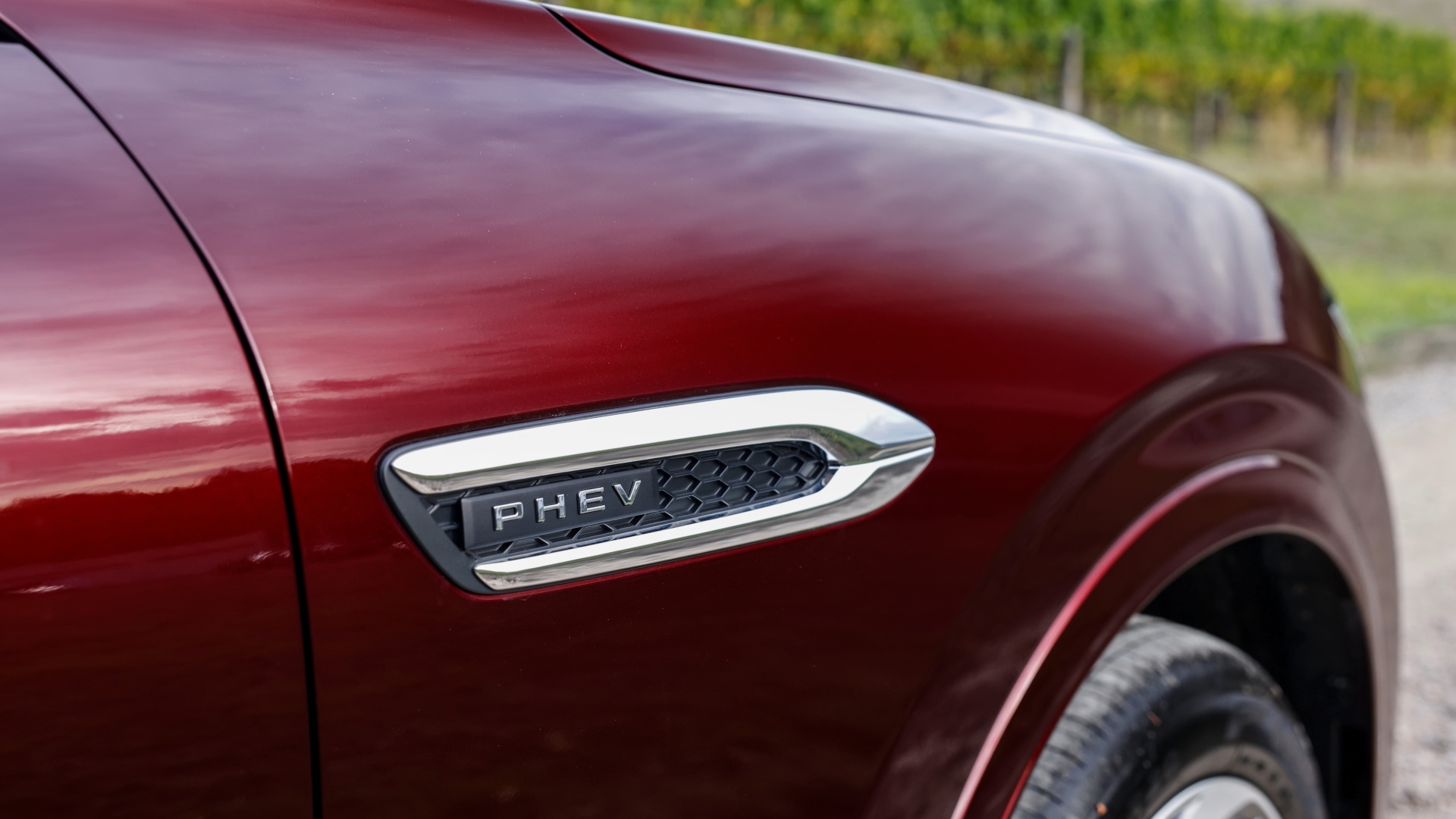
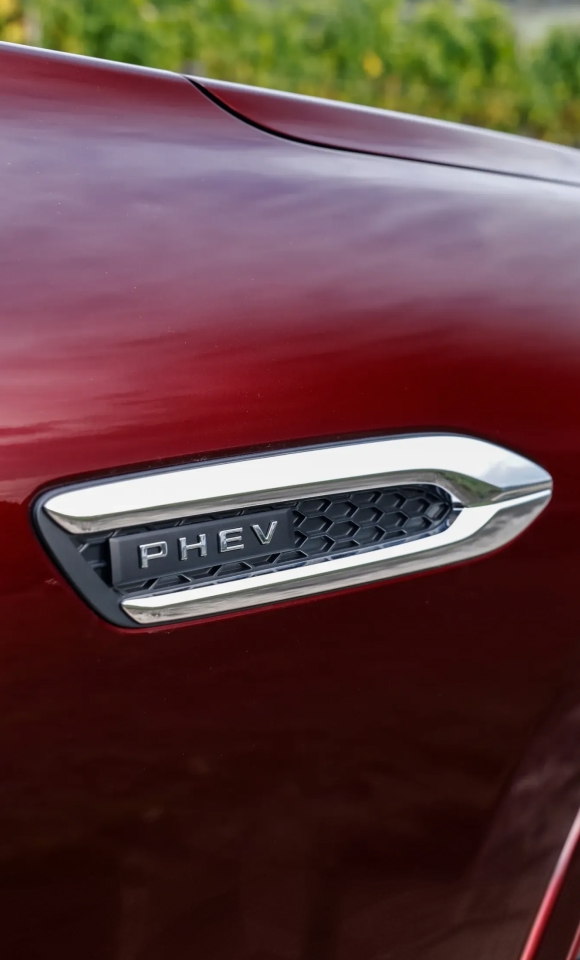
Using the Mazda CX-80 as an example, a PHEV represents a significant step towards electrification by combining a petrol engine with a larger battery and electric motor. [to learn more, read Mazda CX-60 PHEV Guide]
Electric Driving for Everyday Journeys
One of the key benefits of a plug-in hybrid is the ability to drive using electric power alone for many everyday journeys.
Unlike a mild hybrid, a PHEV can be plugged in and charged, allowing the battery to store enough energy to support electric-only driving under the right conditions.
For shorter trips, such as the school run, local errands or commuting to work, many drivers may be able to complete much of their journey using electric power.
Petrol Backup for Longer Trips
For longer journeys, the petrol engine and electric motor work together to help deliver a balance of performance, efficiency and driving convenience.
This combination allows drivers to experience many of the benefits of electric driving without relying solely on public charging infrastructure or planning around battery range.
Is a Plug-in Hybrid Right for You?
For many Australians, a plug-in hybrid offers the best of both worlds: electric driving for everyday use and the flexibility of a petrol engine when travelling longer distances.
Think of a PHEV as a bridge between a traditional petrol vehicle and a fully electric vehicle, offering a practical introduction to electrified driving.
In future episodes, we'll explore battery electric vehicles (BEVs) and compare the differences between MHEV, PHEV and fully electric powertrains to help you find the Mazda that best suits your lifestyle.
Frequently Asked Questions
A plug-in hybrid combines a petrol engine with a larger battery and electric motor — a significant step towards electrification. Using the Mazda CX-80 as an example, it can be plugged in and charged, allowing electric-only driving for many everyday journeys under the right conditions.
Yes. For shorter trips such as the school run, local errands or commuting to work, many drivers can complete much of the journey on electric power alone. On longer trips, the petrol engine and electric motor work together for the right balance of performance and efficiency.
Unlike a mild hybrid, a PHEV can be plugged in and charged so the battery stores enough energy for electric-only driving. But because the petrol engine is always there for longer journeys, you're never reliant on public charging or planning around battery range.
A mild hybrid is petrol-led with a small electric motor that can't be plugged in. A plug-in hybrid has a larger battery and electric motor, can be charged from a plug, and can drive on electric power alone for many everyday trips.
For many Australians, a PHEV offers the best of both worlds — electric driving for everyday use and the flexibility of a petrol engine for longer distances. Think of it as a practical bridge between a traditional petrol vehicle and a fully electric one.